Bradshaw Font: Timeless Handwritten Style
As a web designer, finding the right font can transform a layout from ordinary to extraordinary. Bradshaw is a standout choice for those seeking a handwritten script that brings warmth and elegance to digital design. Its fluid strokes and organic feel make it ideal for branding, logos, and eye-catching headlines.
Bradshaw belongs to the Script Amp category of fonts, which combines the grace of traditional calligraphy with modern usability. Its unique character adds a personal touch without sacrificing clarity. This makes it perfect for web projects where visual storytelling matters.
Visual Characteristics and Digital Appeal
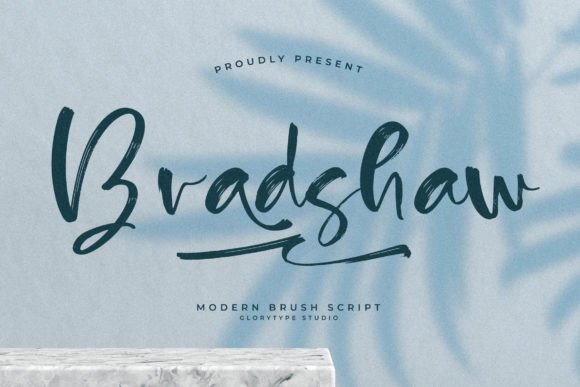
Bradshaw's letterforms are soft yet distinct, with subtle variations in stroke weight that mimic natural handwriting. This gives it a humanized feel that stands out in digital environments. The font’s curves and flourishes add a sense of movement, making it ideal for creative or artistic brand identities.
Its personality leans toward approachable and expressive, making it suitable for brands that want to convey authenticity and creativity. Whether used in a logo or as a headline, Bradshaw can evoke a sense of craftsmanship and individuality.
Applications in Web Design
Bradshaw shines in headers, hero sections, and call-to-action buttons where impact matters. It works well for landing pages, especially when paired with clean, modern typography. For example, a creative portfolio site could use Bradshaw for the main title, while a sans serif font handles body text for readability.
Online stores can benefit from Bradshaw in banners and product headings. A boutique fashion brand might use it for a seasonal promotion header, adding a touch of sophistication. Similarly, a coaching website could use it for a motivational quote section to create an emotional connection with visitors.
Blog headers and social media graphics also gain from Bradshaw’s charm. It can be used to highlight key points or introduce new content in a visually engaging way. When placed over images or dark backgrounds, its legibility remains strong, provided there is sufficient contrast.
Readability and Visual Hierarchy
While Bradshaw is a display font, it maintains good readability at larger sizes. On mobile screens, it performs well for short phrases but should be avoided for long paragraphs. When using it in responsive layouts, ensure it scales appropriately across devices.
In terms of visual hierarchy, Bradshaw excels as a primary heading or decorative element. It can guide users through a page by drawing attention to key areas. However, it should not be overused, as too many instances can disrupt the flow and reduce user engagement.
For conversion-focused layouts, Bradshaw can be used in CTA buttons or promotional banners. Its aesthetic appeal can increase trust and perceived value, especially for brands targeting creative or luxury markets.
Font Pairing and Brand Identity
Pairing Bradshaw with a simple sans serif or serif font creates balance and enhances readability. A modern sans serif like Roboto or a classic serif like Georgia can complement its style, allowing the font to stand out without overwhelming the design.
For editorial or magazine-style websites, pairing Bradshaw with a serif font can create a cohesive and professional look. In contrast, a minimalist design might pair it with a geometric sans serif for a more contemporary feel.
When building a brand identity, consistency is key. Using Bradshaw across multiple touchpoints—such as website headers, social media profiles, and email templates—can reinforce brand recognition and create a unified experience.
Practical Considerations
Before using Bradshaw in a project, check the available styles, weights, and file formats. Ensure it supports the languages needed for your audience. Webfont availability is also important for seamless integration into websites and digital assets.
Commercial licensing is essential for web use, especially if the font will be part of a client project or online store. Always verify the license terms to avoid legal issues and ensure compliance with font usage policies.
For designers working on digital products, Bradshaw offers a versatile tool for creating memorable visuals. Its ability to blend artistry with functionality makes it a valuable addition to any design toolkit.
Conclusion
Bradshaw is more than just a font—it’s a design asset that brings personality and elegance to digital projects. Whether you’re crafting a website, branding a business, or designing a marketing campaign, this handwritten script can elevate your work with its timeless appeal.
By understanding its strengths and limitations, you can use Bradshaw effectively to enhance visual storytelling, build brand identity, and create engaging user experiences. Its versatility ensures it fits seamlessly into a wide range of digital applications, from landing pages to social media graphics.